
Dental Filling: Types, Procedure & Recovery
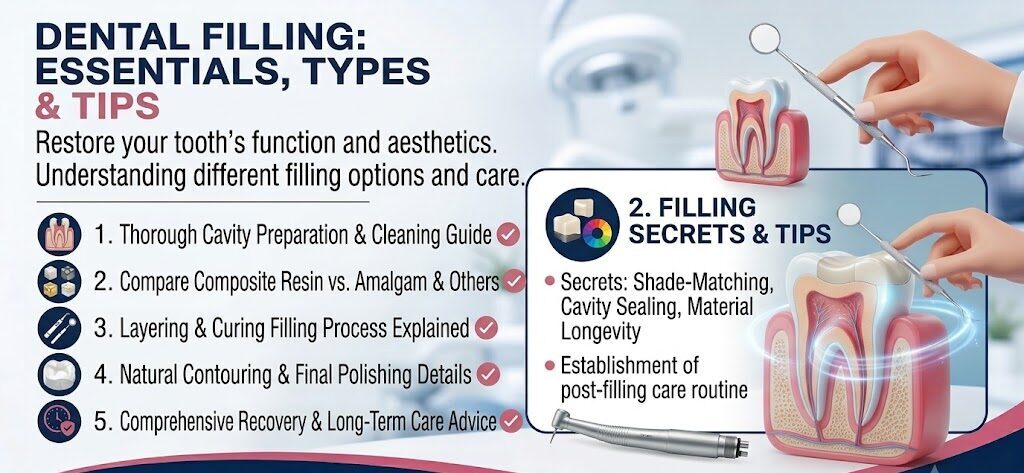
Cavities are one of the most common dental problems, but the good news is they’re highly treatable with a simple, effective solution — a dental filling. If you’ve been told you need a filling, understanding the types available, what the procedure involves, and how recovery works can help ease any worry.
At Dr. Mahnoor Dental & Aesthetic Clinic, we provide safe, comfortable dental filling in Rawalpindi to restore decayed or damaged teeth and protect your long-term oral health. In this guide, we’ll walk you through everything you need to know.
What Is a Dental Filling?
A dental filling in Rawalpindi is a restorative treatment used to repair a tooth damaged by decay, cracks, or wear. After removing the decayed portion of the tooth, your dentist fills the space with a durable material to restore its shape, strength, and function.
Signs You May Need a Dental Filling
- Visible holes or pits in a tooth
- Tooth sensitivity to hot, cold, or sweet foods
- Pain when chewing or biting down
- Dark spots or discolouration on a tooth
- A rough or jagged edge you can feel with your tongue
If you notice any of these signs, getting a dental filling early can prevent the need for more extensive treatment later. Recognizing these signs early makes getting a dental filling in Rawalpindi simpler and more affordable.
Types of Dental Fillings
1. Composite (Tooth-Colored) Fillings
Made from a resin material that matches your natural tooth color, composite fillings are popular for their natural appearance and versatility. They bond directly to the tooth structure and work well for both front and back teeth.
2. Amalgam (Silver) Fillings
A durable, cost-effective option made from a mix of metals. Amalgam fillings are strong and long-lasting, often used for back teeth that endure heavy chewing pressure.
3. Glass Ionomer Fillings
These release fluoride over time, offering added protection against further decay. They’re often used for fillings near the gumline or in children’s teeth.
4. Ceramic (Porcelain) Fillings
Highly durable and stain-resistant, ceramic fillings offer a natural look and are a good option for larger restorations that need extra strength.
5. Gold Fillings
Long-lasting and biocompatible, gold fillings are a premium option, though less common today due to cost and the availability of tooth-coloured alternatives.
Your dentist will recommend the best type of dental filling based on the location of the cavity, the extent of damage, and your aesthetic preferences.
How Is a Dental Filling Procedure Performed?
Here’s what to expect during a dental filling in Rawalpindi procedure at Dr. Mahnoor Dental & Aesthetic Clinic, the process typically includes:
Step 1 – Examination and X-Ray
Your dentist examines the tooth and may take an X-ray to assess the extent of decay.
Step 2 – Local Anaesthesia
The area around the affected tooth is numbed to ensure a comfortable, pain-free experience.
Step 3 – Removing Decay
The decayed portion of the tooth is carefully removed using dental instruments.
Step 4 – Cleaning the Cavity
The cleaned cavity is prepared to ensure the filling material bonds securely.
Step 5 – Placing the Filling
The chosen filling material is applied in layers and shaped to match your natural tooth structure.
Step 6 – Final Polishing
The filling is polished and your bite is checked to ensure comfort and proper function.
Does Getting a Dental Filling Hurt?
Most patients experience little to no discomfort during a dental filling procedure, thanks to local anaesthesia. Some mild sensitivity may be felt for a day or two afterward, which typically resolves on its own.
Dental Filling Recovery: What to Expect
- Immediately after: Numbness may last a few hours — avoid eating until sensation returns to prevent accidentally biting your cheek or tongue.
- First few days: Mild sensitivity to temperature or pressure is normal and usually fades within a few days.
- Eating: You can generally eat normally once numbness wears off, though it’s wise to avoid very hard or sticky foods for the first day.
- Long-term care: With proper oral hygiene, fillings can last many years, though they may eventually need replacement due to normal wear.
What Happens If a Cavity Is Left Untreated?
Delaying a dental filling can allow decay to progress, leading to:
- Increased pain and sensitivity
- Infection or abscess
- Need for root canal treatment
- Risk of losing the tooth entirely
Early treatment with a dental filling is simpler, faster, and more affordable than addressing advanced decay.
Benefits of Getting a Dental Filling
Choosing a dental filling in Rawalpindi offers several important advantages.
- Stops the progression of tooth decay
- Restores the tooth’s natural shape and function
- Relieves pain and sensitivity
- Preserves your natural tooth structure
- Prevents the need for more invasive treatment later
How to Make Your Filling Last Longer
- Brush twice daily with fluoride toothpaste
- Floss regularly to prevent decay around the filling
- Avoid chewing on hard objects like ice or pens
- Limit sugary and acidic foods
- Visit your dentist every six months for check-ups
According to the American Dental Association, dental fillings remain one of the most effective and widely used treatments for restoring teeth affected by decay. These habits help your dental filling in Rawalpindi last as long as possible.
Why Choose Dr. Mahnoor Dental & Aesthetic Clinic?
Patients choose our clinic because we provide:
- Experienced dental professionals
- A range of filling materials to suit your needs and budget
- Modern diagnostic equipment
- Comfortable, patient-focused treatment environment
- High standards of sterilisation
- We make getting a dental filling in Rawalpindi simple and comfortable.
- Comprehensive dental services under one roof
Whether you need a simple filling or have questions about which material is right for you, our team is here to help.
Frequently Asked Questions
How long does a dental filling last?
Depending on the material and your oral hygiene, fillings can last anywhere from 5 to 15 years or longer. This is one of the most common questions patients ask about dental filling in Rawalpindi treatment.
Which type of dental filling is best?
It depends on the location of the cavity and your priorities — composite fillings are popular for their natural look, while amalgam offers strength and durability for back teeth.
Is a dental filling procedure painful?
No, the procedure is performed under local anaesthesia, and most patients report only mild sensitivity afterward.
Can I eat right after getting a dental filling?
It’s best to wait until the numbness wears off to avoid biting your cheek or tongue. After that, you can eat normally, though avoiding very hard foods for a day is recommended.
How do I know if my old filling needs to be replaced?
Signs include visible cracks, sensitivity around the filling, or a filling that feels loose. A regular dental check-up can catch these issues early.
Book Your Appointment Today
If you suspect a cavity or need a filling replaced, don’t wait for the problem to worsen.
The experienced team at Dr. Mahnoor Dental & Aesthetic Clinic provides professional dental filling in Rawalpindi using modern techniques focused on your comfort and long-term oral health.
Contact us today to schedule your Appointment and protect your natural smile.
Ready for a Healthier, Brighter Smile?
Book your consultation with Dr. Mahnoor today and receive personalized dental and aesthetic care in a comfortable, modern clinic.